
Kimpton Maa-Lai Bangkok Review: A Creative Luxury Hotel by Lumphini Park
Bangkok rarely slows down, and most hotels either lean into the chaos or try to shut it out completely. Kimpton Maa-Lai Bangkok finds a more interesting middle ground, offering a stay that stays connected to the city while giving you space to step back when needed.
Bangkok rarely slows down, and most hotels either lean into the chaos or try to shut it out completely. Kimpton Maa-Lai Bangkok finds a more interesting middle ground, offering a stay that stays connected to the city while giving you space to step back when needed.
Set beside Lumphini Park, this is a hotel that understands modern travel. You are not here to escape Bangkok, you are here to experience it on your own terms.
Location: One of Bangkok’s Most Liveable Pockets
Langsuan Road has quietly become one of Bangkok’s most desirable neighbourhoods. Central, but never overwhelming. With Lumphini Park just moments away, mornings shift quickly into something calmer, whether that is a run, a walk, or a slow loop on one of the hotel’s bicycles. It is a rare contrast in a city defined by movement.
Nearby, Chidlom and Siam cover shopping and galleries, while One Bangkok continues to reshape the area. Direct access to Velaa Sindhorn Village adds another layer, with cafés, restaurants and casual dining all within easy reach.
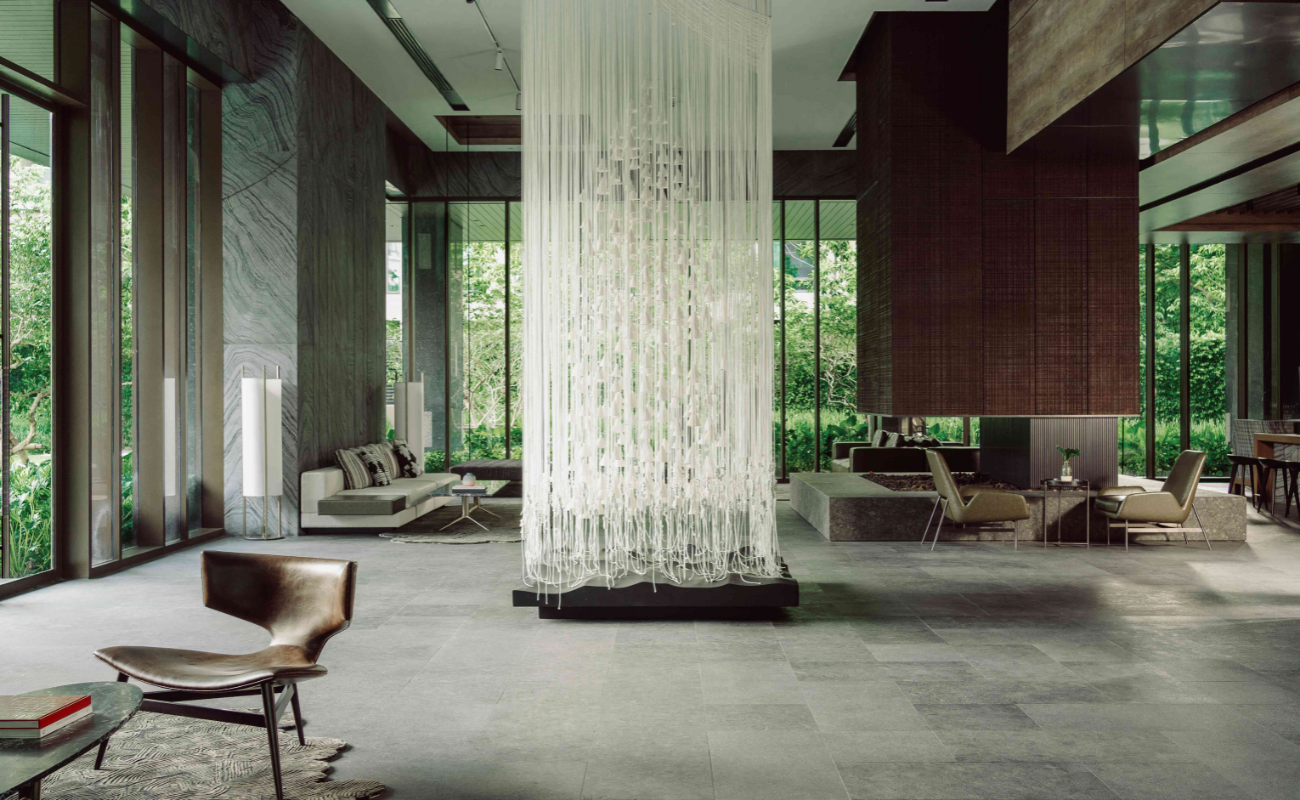
Mixed textures and sleek design welcome guests in the foyer
Design & Atmosphere: Bold, Social, Intentional
Designed by P49DEESIGN, the hotel strikes a balance between statement and restraint. The lobby sets the tone. Cracked black concrete walls, oversized proportions, layered textures and contemporary Thai artworks create a space that feels confident without becoming theatrical.
There is a looseness to how the spaces are arranged. Seating is generous, layouts are informal, and the overall atmosphere encourages you to stay a little longer than planned.
The Thai concept of lamiat, treating life as something to be carefully shaped and appreciated, runs quietly through the experience. You see it in the detailing, in the pacing, in the way the hotel invites interaction rather than isolation.
Rooms & Suites: Designed for Real Living
With 362 rooms, scale could easily overwhelm. Instead, the hotel leans into a more residential feel. Rooms are softly cocooning. Layered lighting, tactile materials and excellent soundproofing create a sense of separation from the city without disconnecting entirely.
Technology is well judged. Smart TVs, Nespresso machines, strong sound systems and small details like anti-fog mirrors and Dyson hairdryers all feel considered rather than excessive.
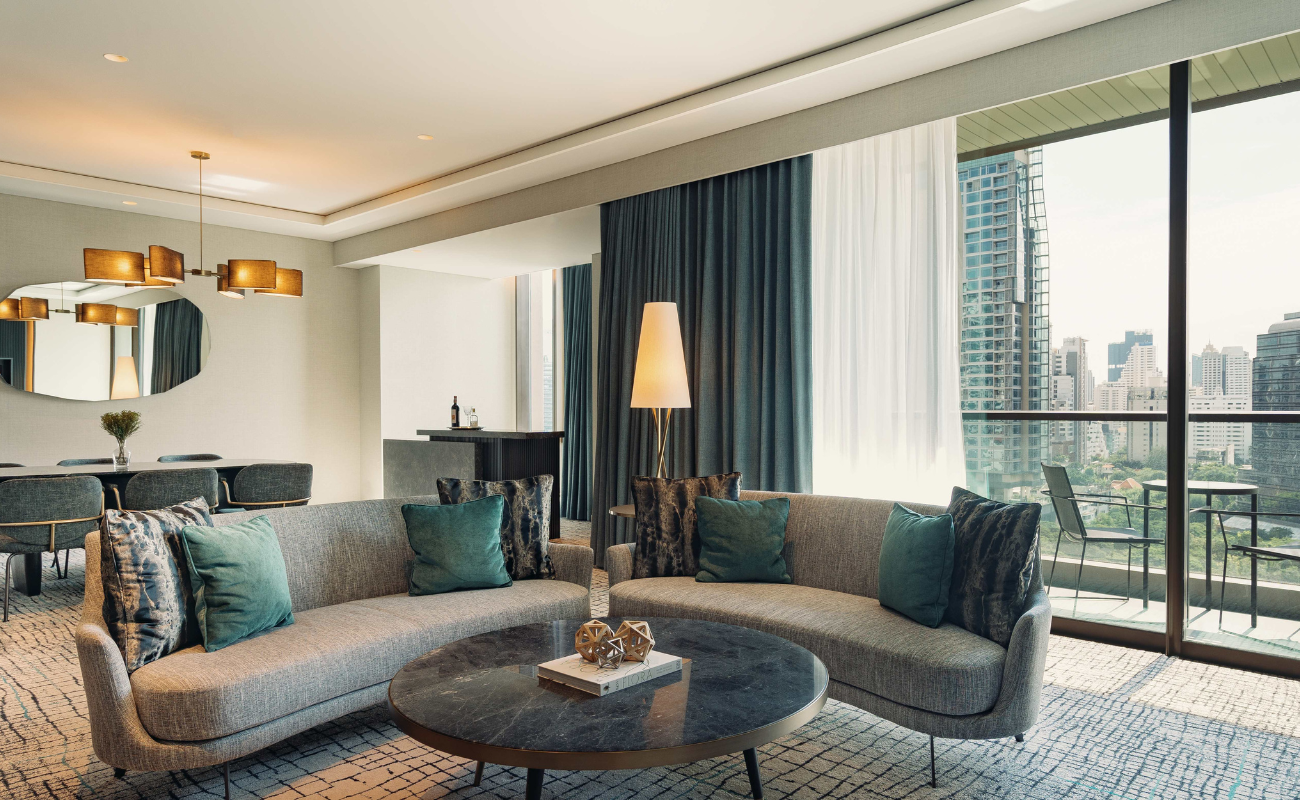
The large Embassy Suite with much-coveted balcony
Suites, particularly the Embassy Suite, shift things further. A proper living space, anchored by a marble table and relaxed seating, creates something closer to an apartment than a hotel room. Ideal for longer stays or simply slowing down between plans
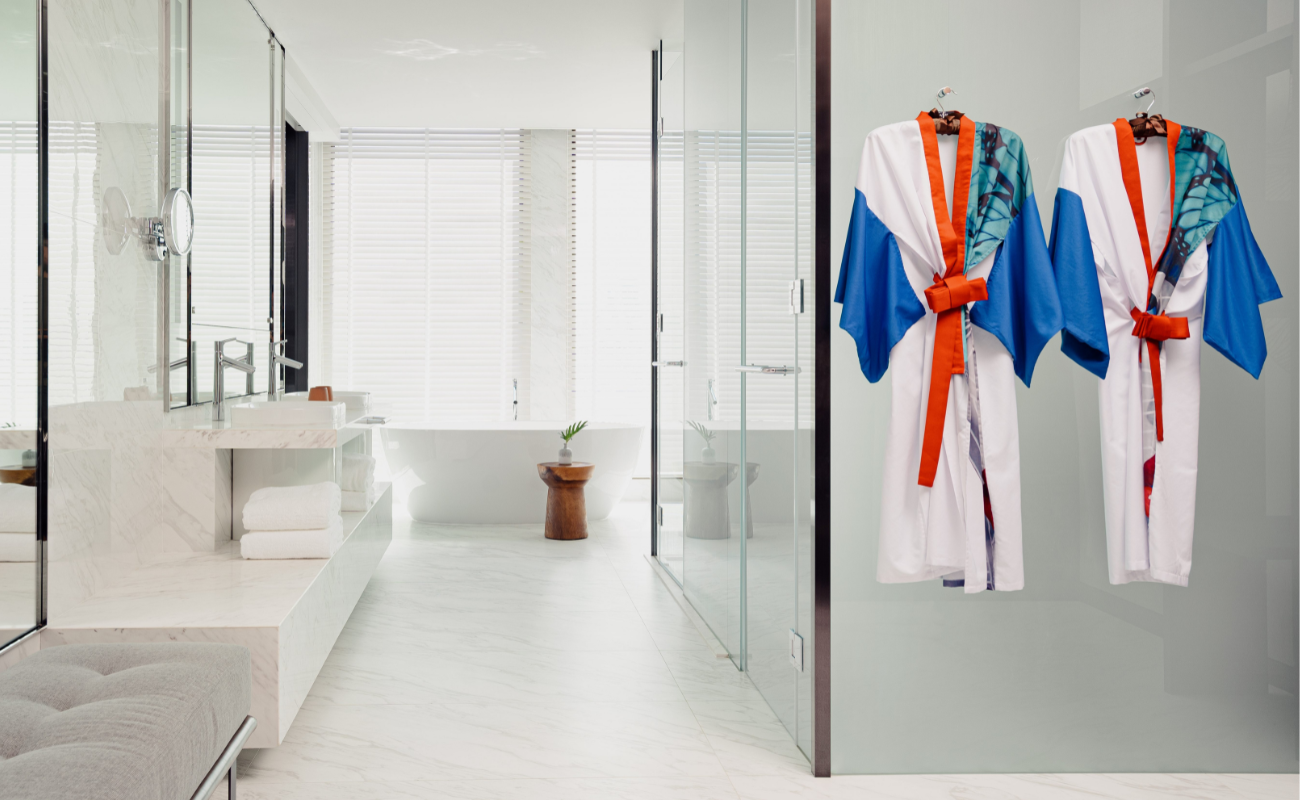
Roomy crisp white bathroom with deep soaking tubs
Bathrooms keep things minimal but generous, with rainfall showers, deep soaking tubs and a comprehensive amenities offering that covers more than expected.
Dining & Drinking: A Destination in Its Own Right
Few Bangkok hotels deliver this consistently across multiple venues. Stock.Room is the anchor. Part food hall, part market, part open kitchen experience, it turns breakfast into something more expansive. Six kitchens, an in-house roastery and a strong mix of Asian and Western dishes make it one of the most talked-about breakfasts in the city.
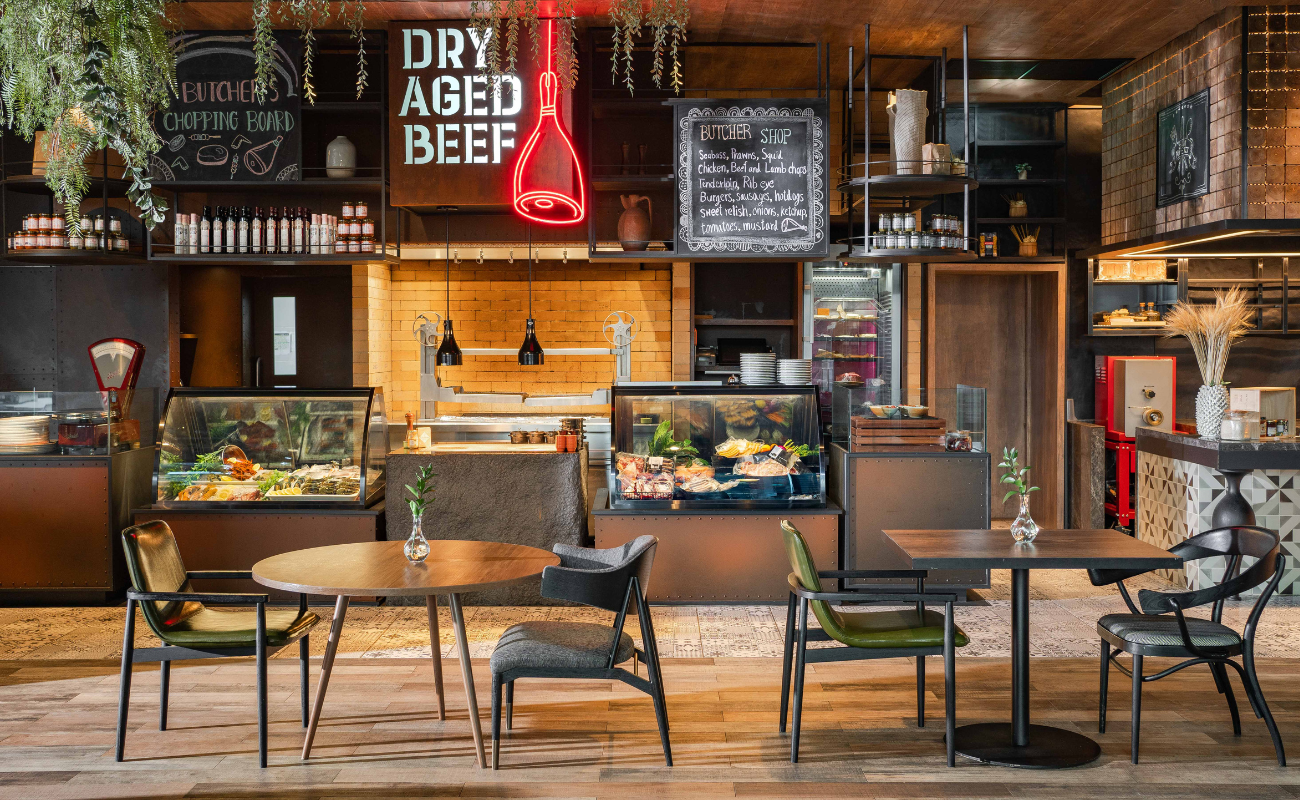
Stock.Room serving up the best breakfast in Bangkok
Ms.Jigger handles Italian dining with confidence, ideal for long lunches or slow evenings. Up on the 40th floor, Bar.Yard brings a completely different energy. DJs, skyline views and a Pan-Latin menu create a space that feels social and slightly unruly in the best way.
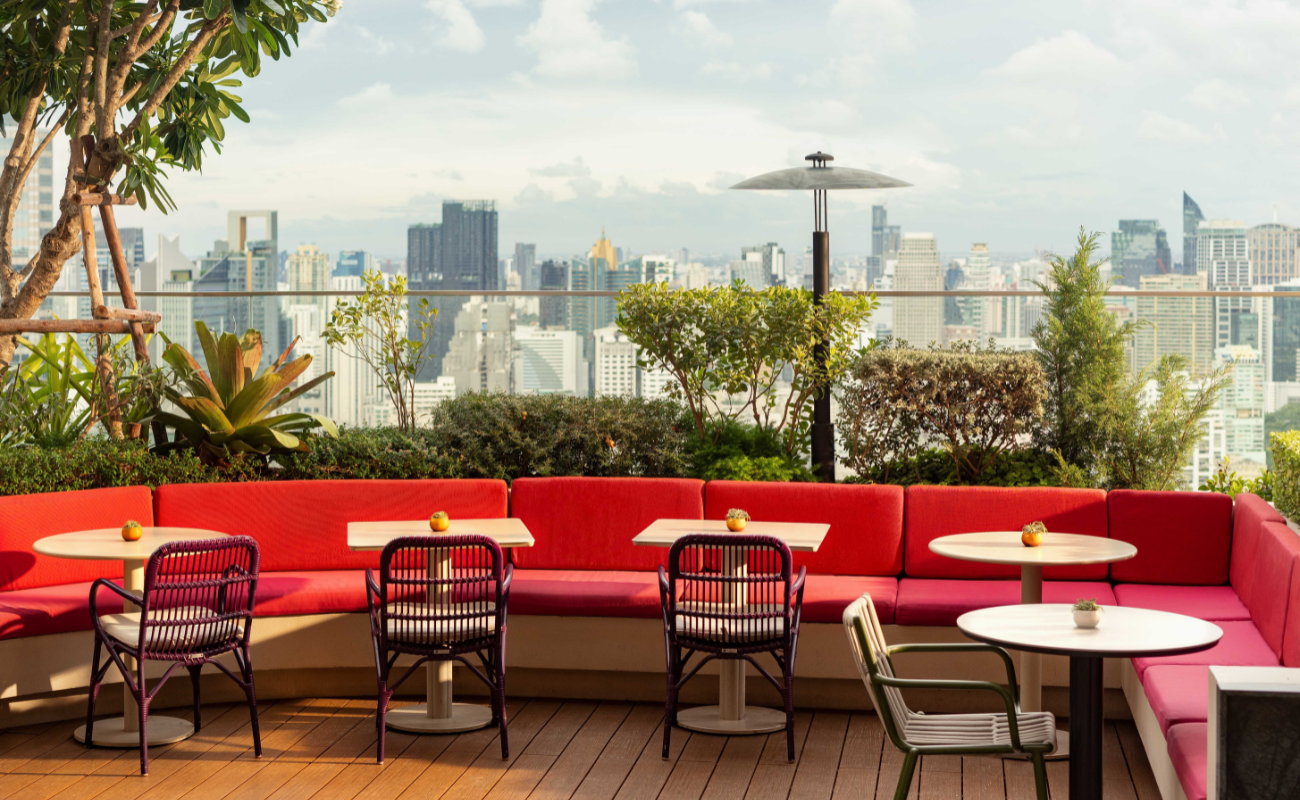
Bar.Yard serves up cocktails from the 40th Floor
At ground level, CRAFT has become a neighbourhood fixture. Coffee, casual dining and a steady flow of Bangkok’s creative crowd give it a life beyond the hotel itself.
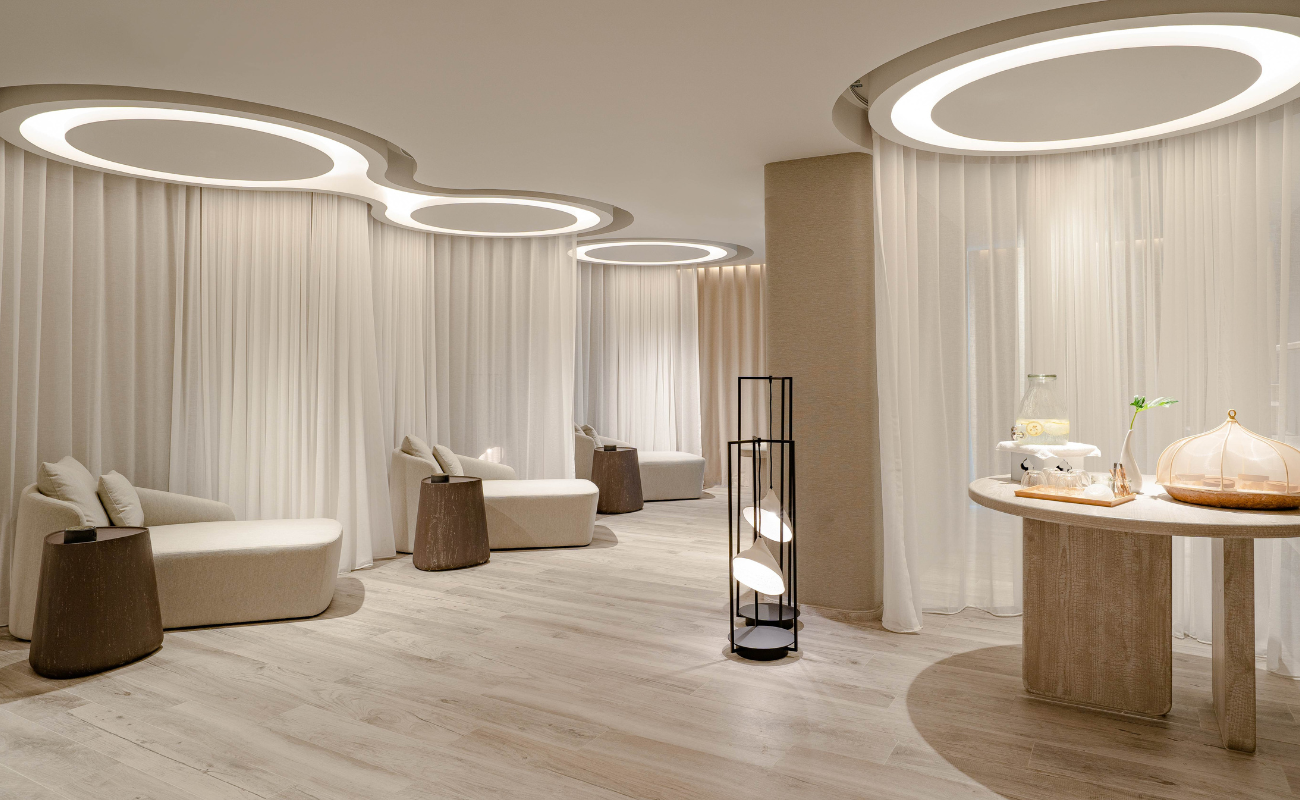
The spa is a relaxing escape
Wellness & Facilities: More Than an Afterthought
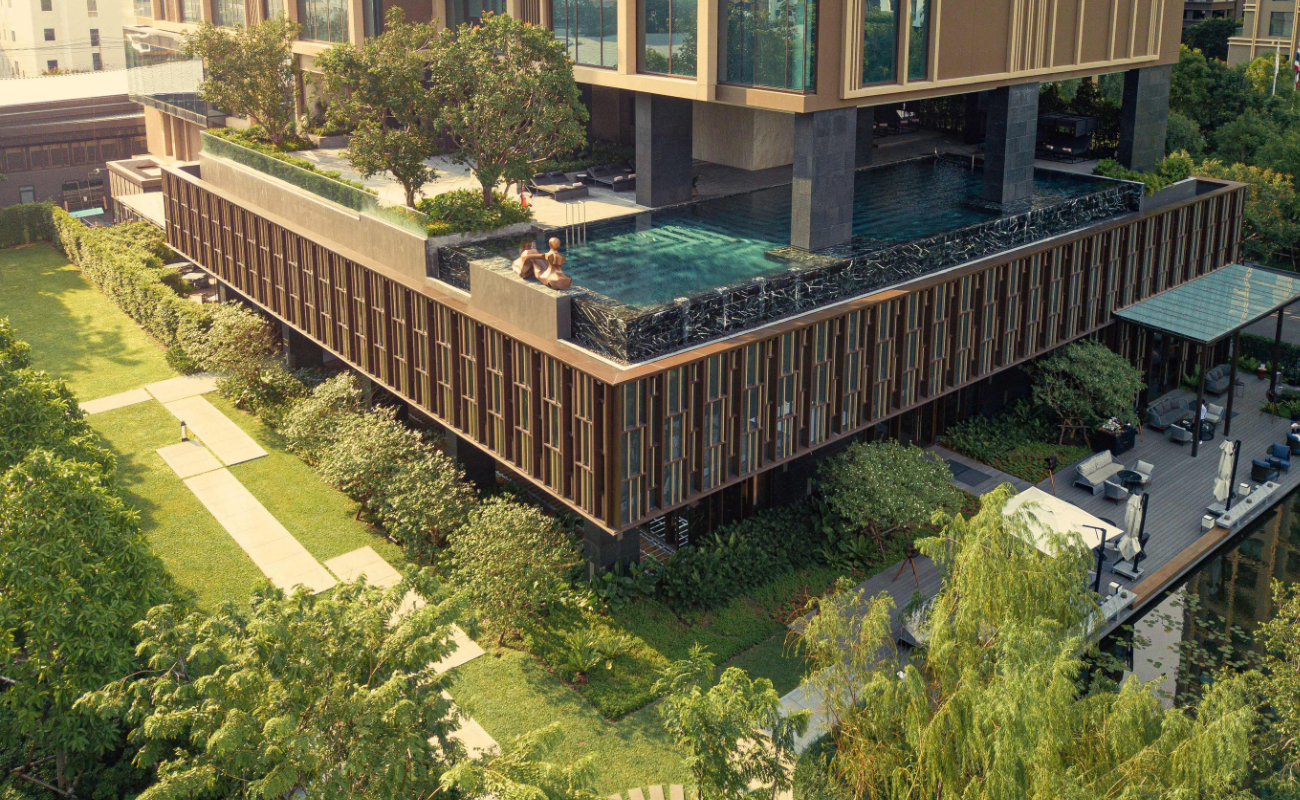
The third-floor infinity pool is one of the hotel’s strongest assets. Long enough for laps, partially shaded and surrounded by greenery, it feels more retreat than city.
The gym stands out. HYROX-affiliated and designed with performance in mind, it goes beyond the typical hotel offering. Classes range from Muay Thai to yoga, adding a structured wellness layer for those who want it.
The spa continues this approach. Treatments focus on restoration and balance, avoiding unnecessary complexity while delivering real results.
What Makes It Different
• A genuinely social atmosphere that feels natural rather than staged
• One of Bangkok’s strongest hotel breakfast offerings
• A rare balance between residential comfort and five-star service
• Direct access to one of the city’s most liveable neighbourhoods
• A pet-friendly policy that sets it apart in the luxury space
Who It’s For
• Creative travellers and design-conscious visitors
• Longer-stay guests who want a more residential feel
• Return visitors to Bangkok looking for something less conventional
• Travellers who want strong food, wellness and social energy in one place
The Verdict
Kimpton Maa-Lai Bangkok delivers a version of luxury that feels relevant. Social without being overwhelming, design-led without trying too hard, and connected to the city without losing its sense of calm.
A hotel that understands how Bangkok really works, and gives you the space to experience it properly.
Fact Box
Address: 78 Soi Ton Son, Lumphini, Pathum Wan, Bangkok
Rooms: 362 rooms and suites
Best for: Creative, design-led city stays
Nearby: Lumphini Park
Neighbourhood: Langsuan
Closest BTS: Chidlom
Andaz One Bangkok Review: An Art-Led Luxury Hotel Near Lumphini Park
Andaz One Bangkok positions itself differently, using contemporary Thai art and architectural references to shape something more layered than a standard luxury stay.
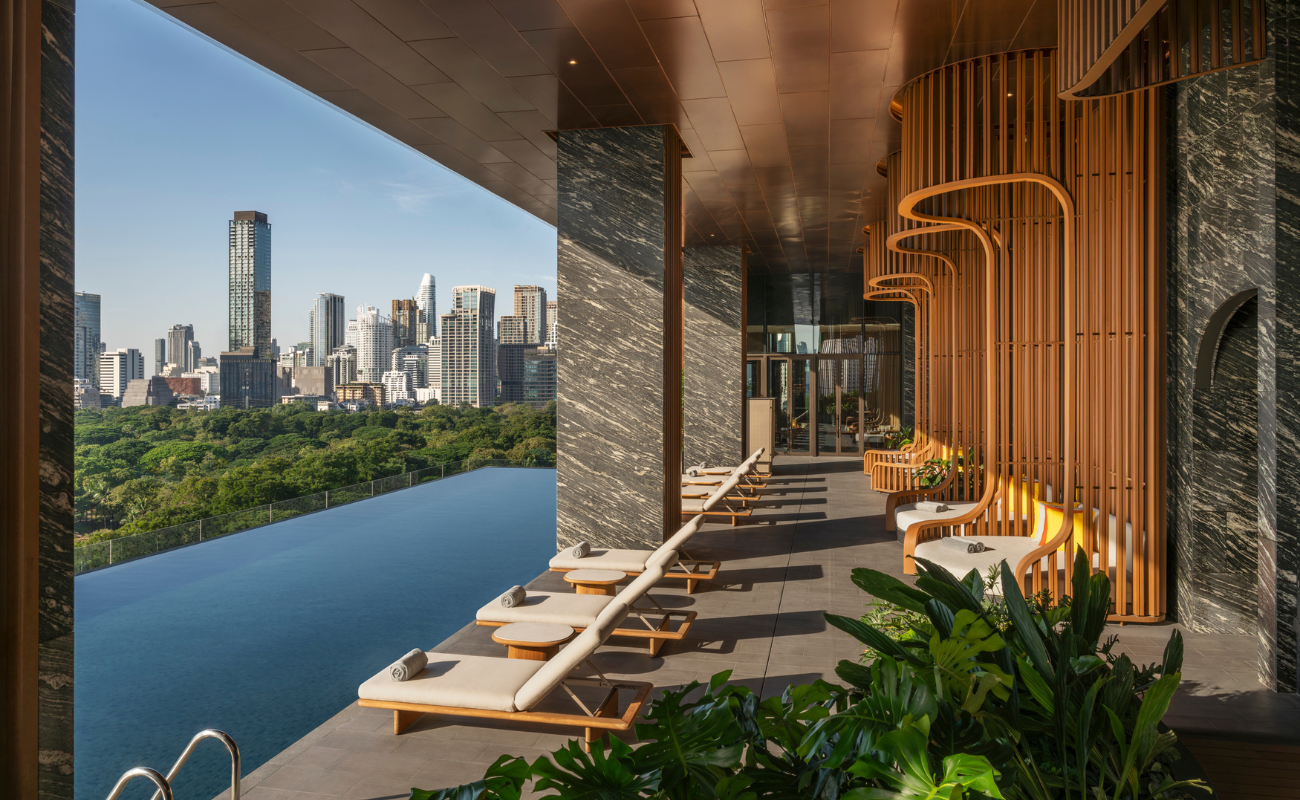
The 7th floor pool overlooks Lumphini Park
Bangkok doesn’t lack five-star hotels. What it lacks are hotels with a clear point of view. Andaz One Bangkok positions itself differently, using contemporary Thai art and architectural references to shape something more layered than a standard luxury stay.
Set just off Wireless Road, with Lumphini Park on one side and the glass-and-steel expanse of One Bangkok on the other, the setting already tells a story. Old Bangkok meets the new city, and the hotel quietly builds on that tension.
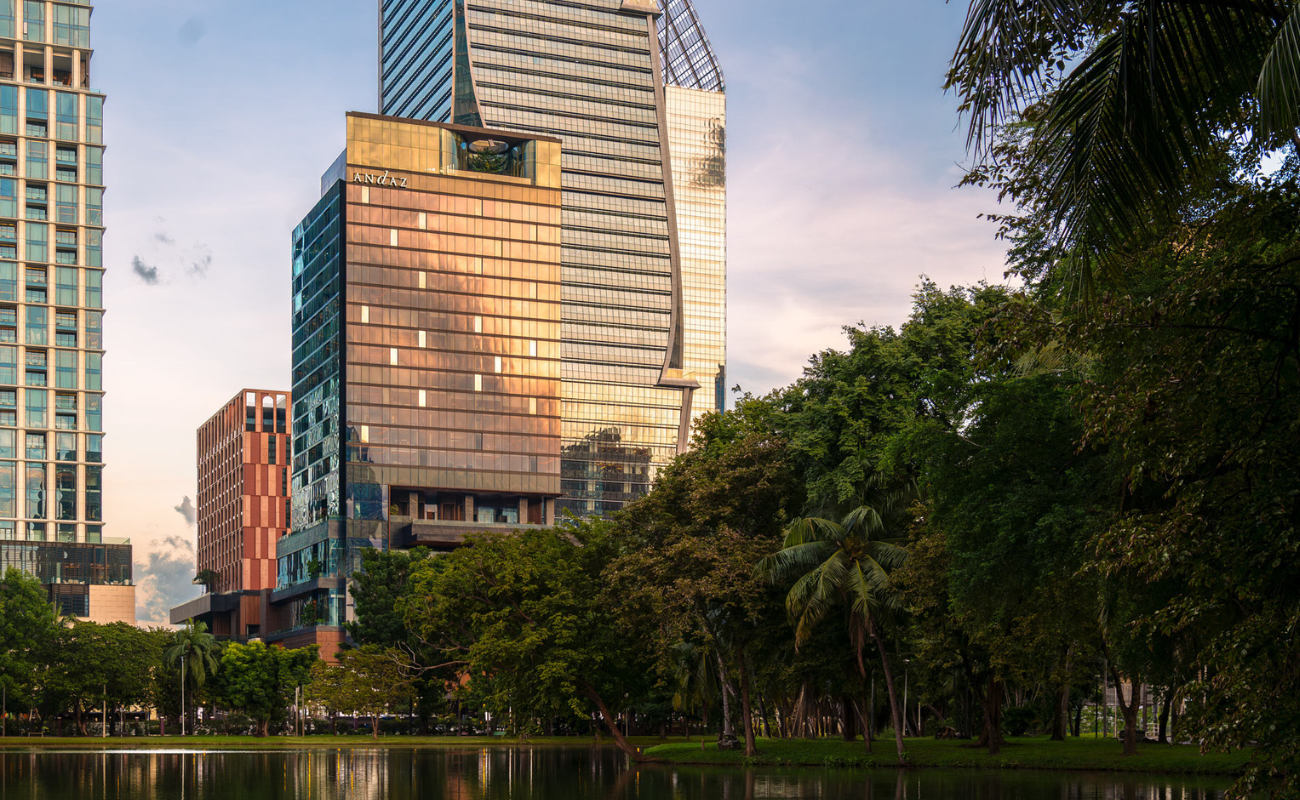
Andaz One Bangkok is part of a huge new expansion around Lumpini Park
Location: Between Park and City
Wireless Road places you in one of Bangkok’s most strategic pockets. Close enough to the business district, but softened by the greenery of Lumphini Park. It’s a location that works particularly well for first-time visitors and repeat travellers alike. You can move quickly across the city, then return to something that feels slightly removed from the pace.
Design & Atmosphere: Shaped by the Surroundings
Rather than leaning on familiar luxury tropes, the design draws from the history of the street itself. Wireless Road, once home to Bangkok’s first radio-telegraph station, becomes a subtle reference point.
Curves define the architecture. Arched doorways, rounded transitions, softened ceilings. There’s a clear nod to mid-century Bangkok, reinterpreted with a lighter, more contemporary hand. Materials move between marble, brass and dark wood, but the overall effect stays balanced. Details reveal themselves gradually, grilles referencing shophouse windows, partitions echoing traditional gates. Nothing feels overworked.
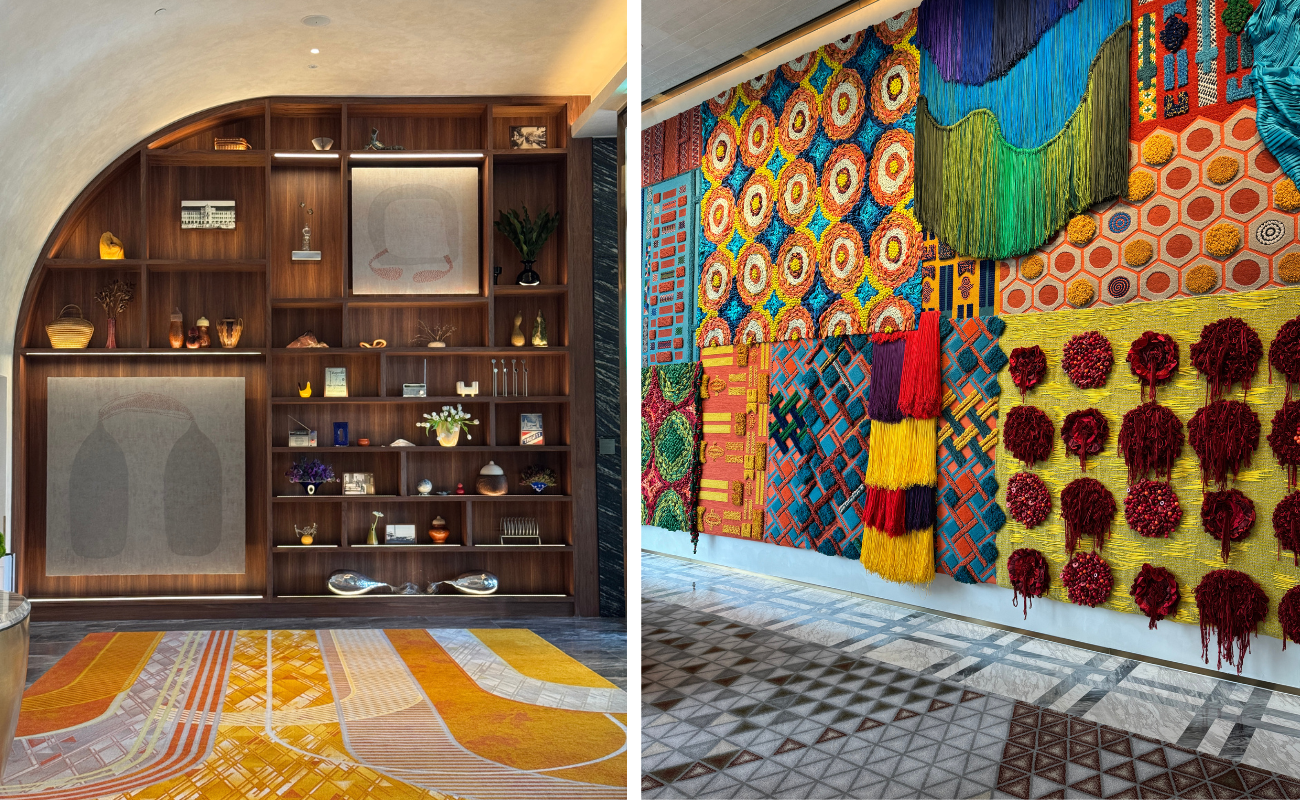
Stunning art commissions by female Thai artists are all around the property
Art & Cultural Identity: A Hotel Built Around It
Art is not an afterthought here, it’s the organising principle. The arrival space is anchored by Pocket of Nature, 2025 by Pinaree Sanpitak. A mixed-media installation inspired by Lumphini Park and the site’s history, it brings together her signature breast stupa forms in a composition that feels both personal and ceremonial.
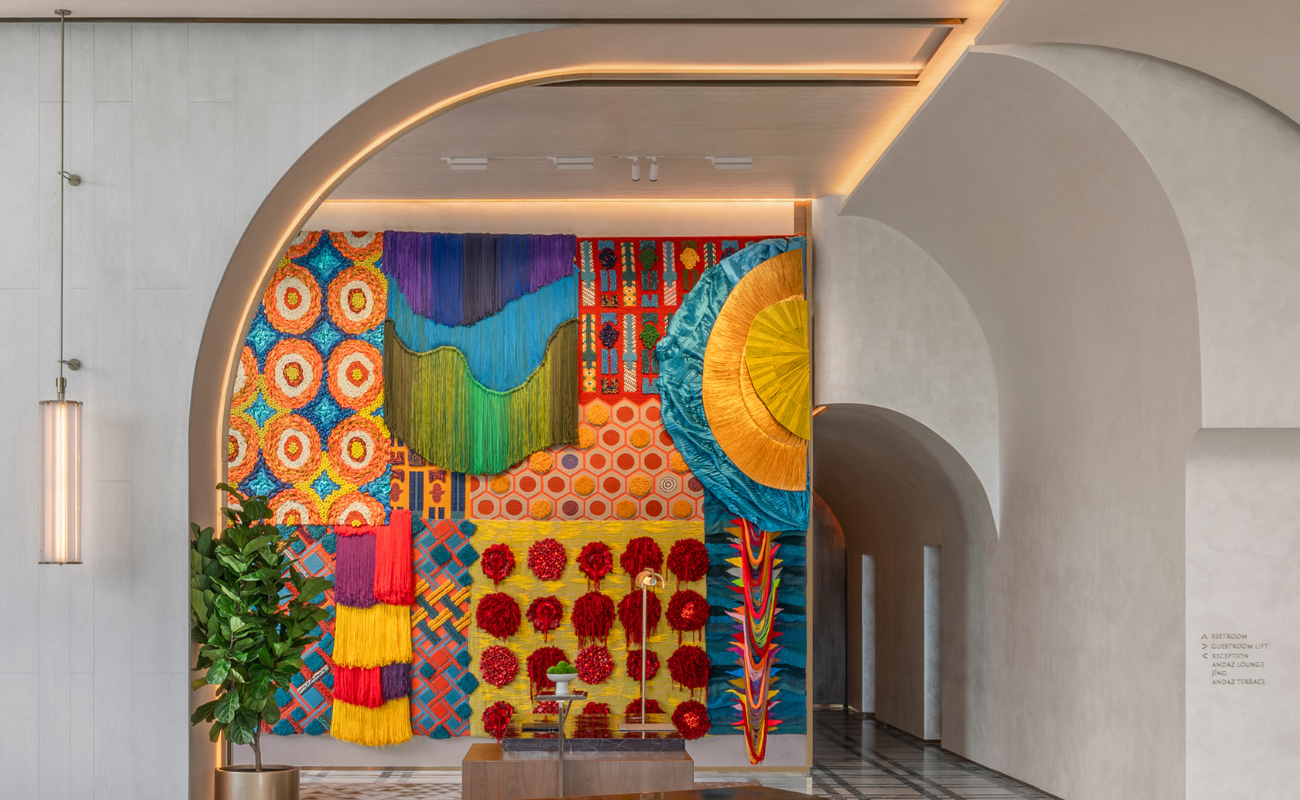
Blockwilt, 2024 is a stunning abstract representation of Bangkok by Ploenchan Vinyaratn
In the lobby, Blockwilt, 2024 by Ploenchan Vinyaratn shifts the energy entirely. A large-scale textile work in electric tones, referencing Bangkok’s overhead wires and surrounding architecture, it feels alive in a way most hotel art doesn’t.
Throughout the building, smaller interventions continue the thread. Sculptural pieces, unexpected placements, objects that feel chosen rather than installed. It creates a sense of continuity rather than decoration.
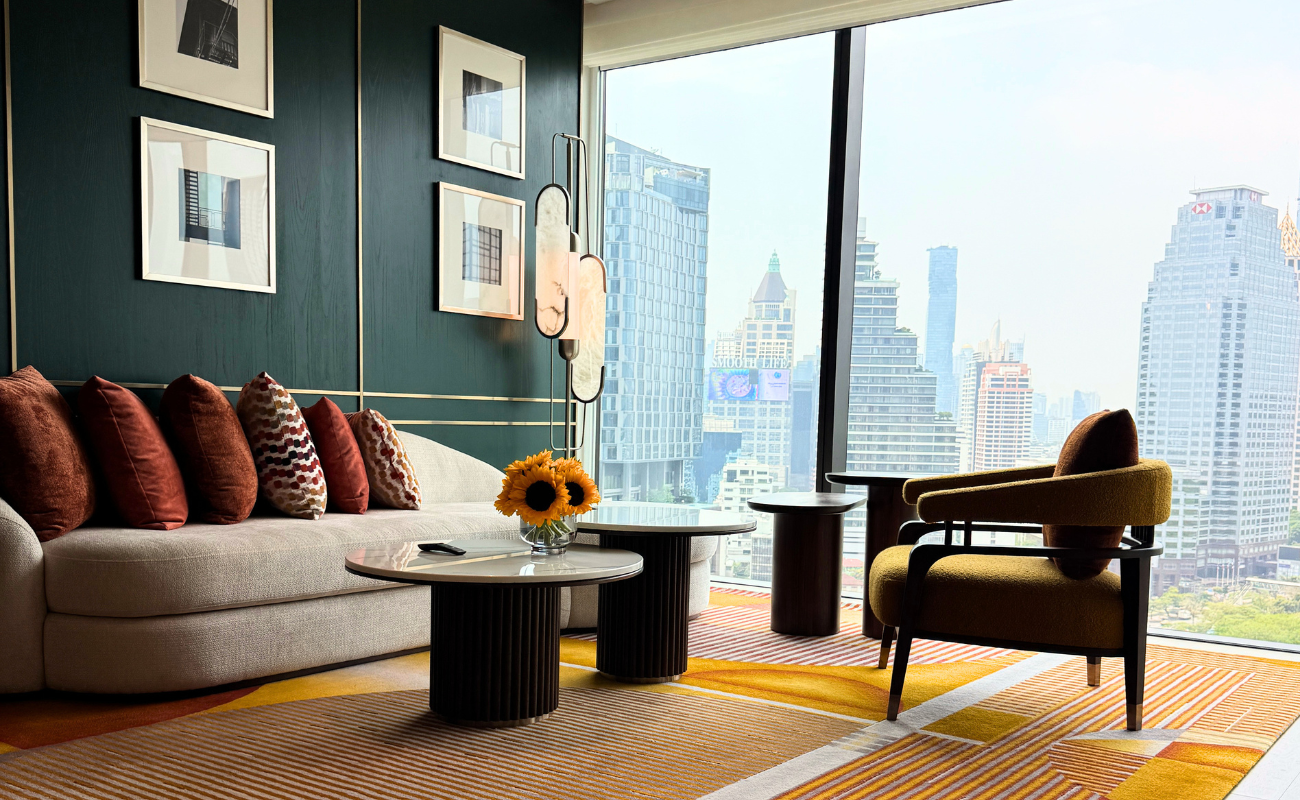
The colour palette is the perfect complement to the park
Rooms & Suites: Designed to Frame the View
The 244 rooms and suites carry the same architectural language, without pushing it too far. Mid-century references come through in the furniture, low-slung seating, circular tables, warm woods, balanced with a confident colour palette of mustard, burnt orange and deep green.
The real strength is the orientation. Many rooms face Lumphini Park, turning the view into part of the experience. Green foreground, skyline beyond, constantly shifting with light and weather.
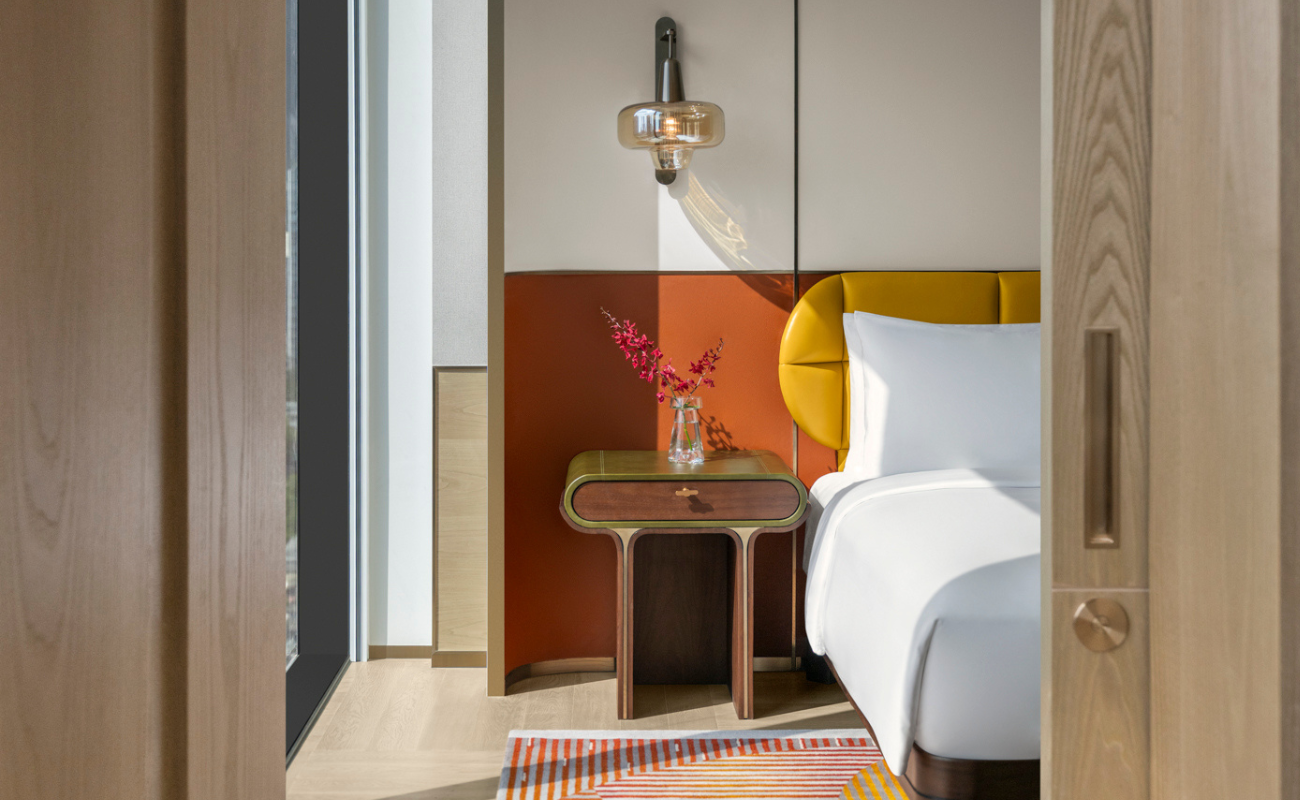
Curve design and pattern is a running theme throughout
Bathrooms lean into quiet luxury. Marble finishes, brushed gold, muted tones, with thoughtful additions like BYREDO amenities and Dyson hairdryers. Suites expand on this, offering more space and, in some cases, bathtubs positioned directly towards the park.
Dining & Drinking: Layered, Not Formulaic
Dining feels considered rather than standardised. Breakfast leans Asian, with dim sum, congee and local dishes alongside European options. The terrace, when open, is worth prioritising.
Jing focuses on Chinese cuisine with confidence, Cantonese and Sichuan dishes executed properly, with staff guiding choices.
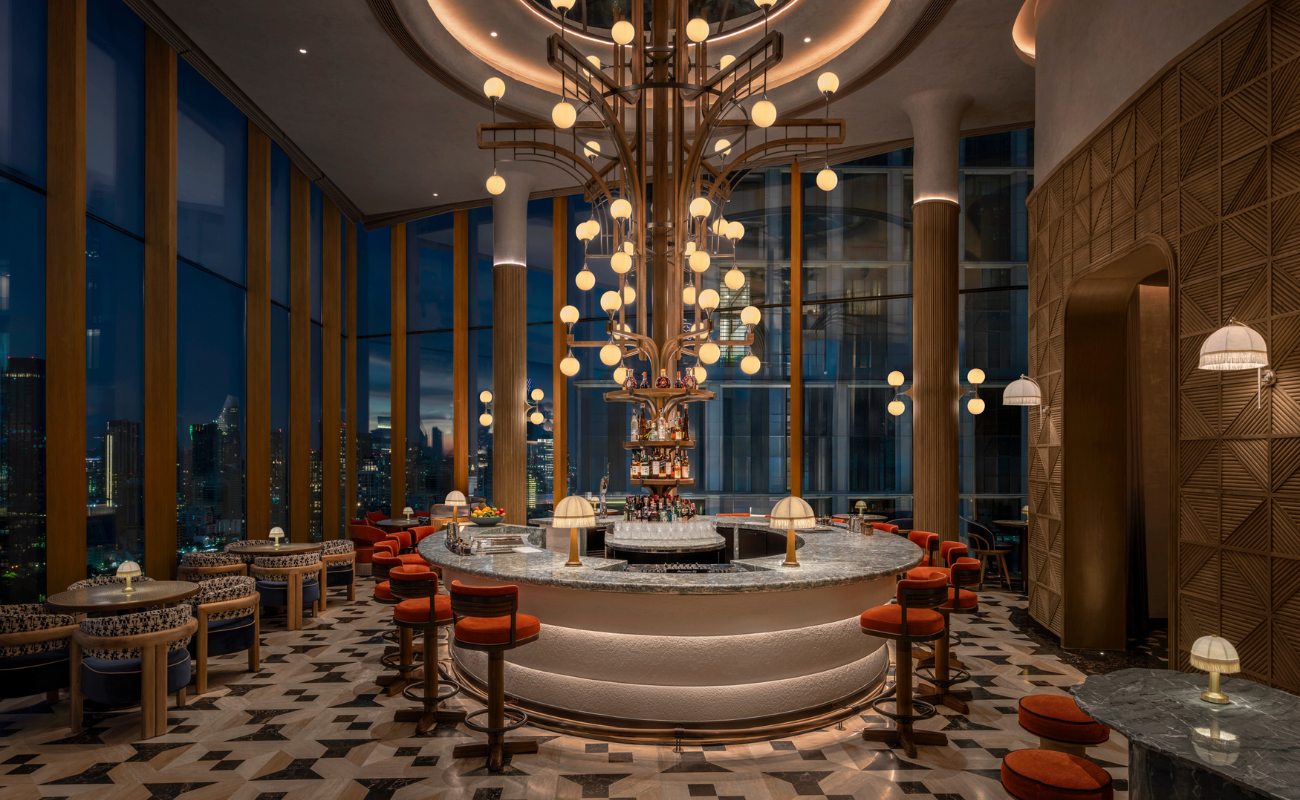
Piscari for the views
Piscari, set on the 23rd floor, shifts tone again. Mediterranean influences shape both the menu and interiors, with deep blues, warm lighting and panoramic city views. It’s as much about atmosphere as food.
Facilities: Where the Hotel Slows Down
The Andaz Lounge adds genuine value. Open to all guests, offering drinks, snacks and a daily wine hour, it feels relaxed rather than performative.
The seventh-floor pool is one of the hotel’s standout spaces. Overlooking Lumphini Park, lined with generous daybeds, it’s somewhere you settle into rather than pass through.
The gym is equally well considered. Large, properly equipped, and designed for actual use.
What Makes It Different
• A clear focus on contemporary Thai art, integrated from arrival to rooms
• Design rooted in Bangkok’s architectural history rather than generic luxury cues
• Park-facing rooms that genuinely elevate the stay
• A cohesive identity that runs through every space
Who It’s For
• Creative travellers interested in art, design and architecture
• Return visitors to Bangkok looking for something more considered
• Luxury travellers who prefer subtlety over spectacle
The Verdict
Andaz One Bangkok stands out not because it tries to impress at every turn, but because it knows exactly what it is. Drawing from the history of Wireless Road, the energy of the city and the calm of the park, it delivers a stay that feels both intentional and resolved.
A rare Bangkok hotel where art shapes the experience as much as the architecture.
Fact Box
Location: Wireless Road, Bangkok
Rooms: 244 rooms and suites
Best for: Art-led luxury city stays
Nearby: Lumphini Park
Closest BTS: Ploenchit
137 Pillars House, Chiang Mai: A Heritage Hideaway with a Contemporary Soul
Set on the east bank of the Ping River in the leafy enclave of Wat Gate, 137 Pillars House Chiang Mai feels deliberately removed from the city’s pace.
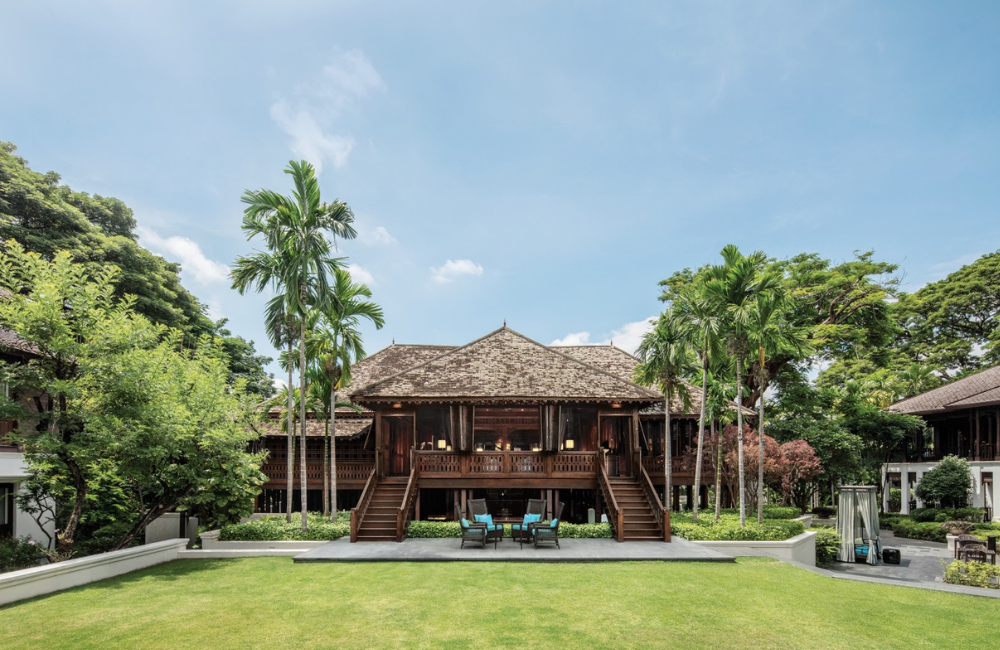
The centre point of the resort
A quiet counterpoint to Chiang Mai’s energy
Set on the east bank of the Ping River in the leafy enclave of Wat Gate, 137 Pillars House Chiang Mai feels deliberately removed from the city’s pace. This is Chiang Mai at its most composed, where the traffic hum softens into birdsong and the rhythm of the day slows to something far more considered. Despite its sense of seclusion, the old town, night markets and creative neighbourhoods remain within easy reach.

The resort pool is a peaceful haven
Design rooted in history
At the centre of the property sits a restored teakwood house that once served as the headquarters of the Borneo Trading Company, dating back to the late 19th century. Rather than turning it into a static relic, the hotel builds its identity around it. The structure now houses intimate dining spaces and a bar, while beneath it a small museum and gym are cleverly integrated into the original pillar foundations.
The wider grounds follow the same philosophy. Mature trees from the site’s earlier life provide natural shade, while a vertical garden wraps the 25 metre pool, creating a cocooned, almost cinematic sense of privacy. There is a quiet choreography to the space, sprinklers cutting through the afternoon heat, soft jazz drifting across the croquet lawn, nature and design working in tandem rather than competing.
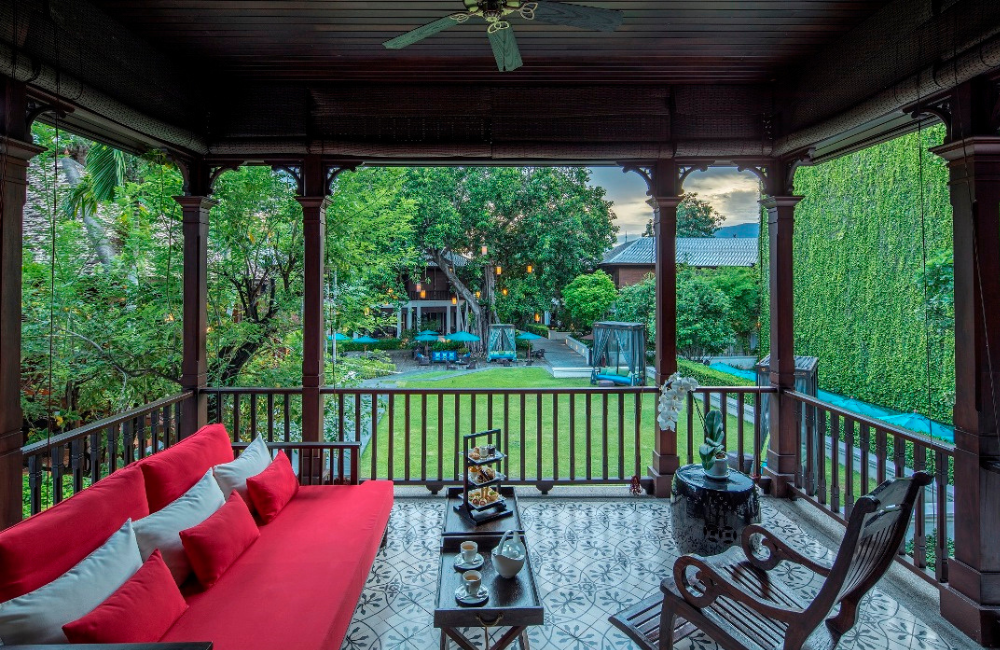
Outdoor terrace of the William Bain suite
Suites that feel like private residences
With just 30 suites, the hotel leans into a residential feel rather than a conventional resort layout. The William Bain Terrace Suites, positioned on the upper level, overlook the historic house and gardens, offering a layered view across the property.
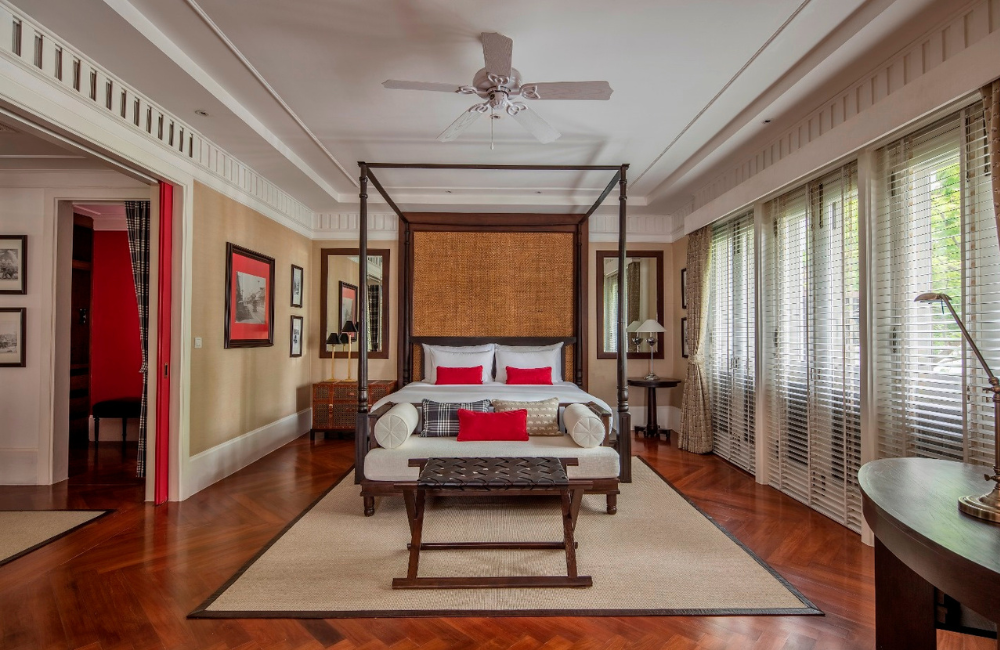
Tasteful heritage decor and ample space
Inside, the design balances heritage references with contemporary comfort. A super king bedroom opens into a separate living space, while outside a tiled terrace, complete with rocking chair and daybed, invites long, unstructured afternoons. Bathrooms are expansive, with sunken tubs framed by tropical planting and both indoor and outdoor showers adding to the sense of retreat. At around 100 square metres, these suites are less about short stays and more about settling in.
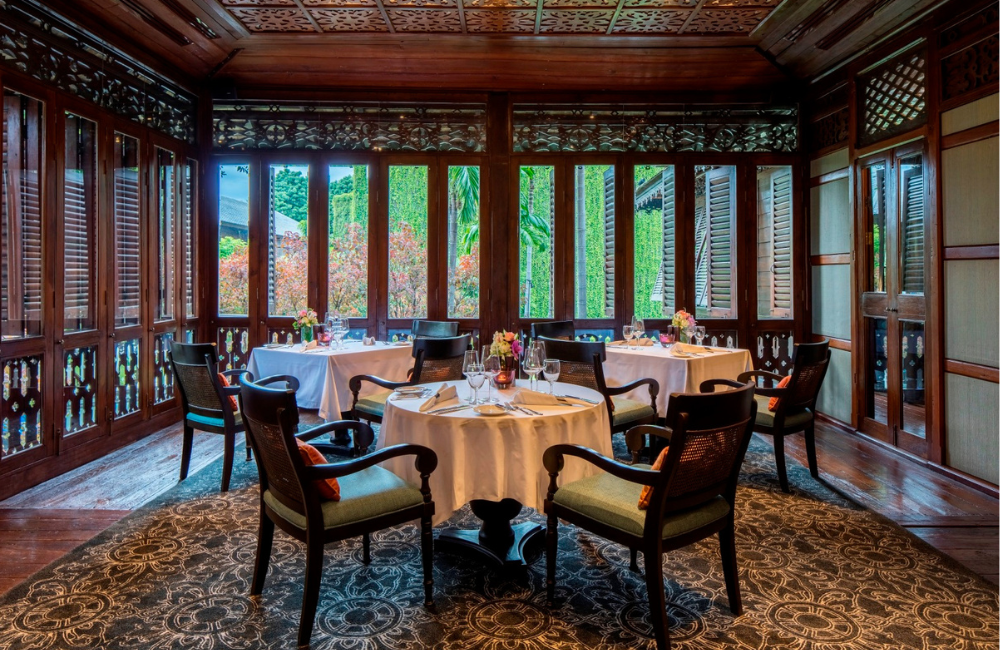
The Palette Restaurant is a perfect choice for an evening meal
Dining with a sense of place
Food here mirrors the wider tone of the hotel, refined but not overworked. The Dining Room, set just behind the main house, moves between northern Thai dishes and broader international options, served either indoors or in the garden.
For something more intimate, Palette Restaurant sits within the original house itself. With just a handful of tables and rotating works by local artists on the walls, it feels closer to a private dining experience. The menu leans Western, with a farm to table approach, while a live pianist adds a subtle sense of occasion.
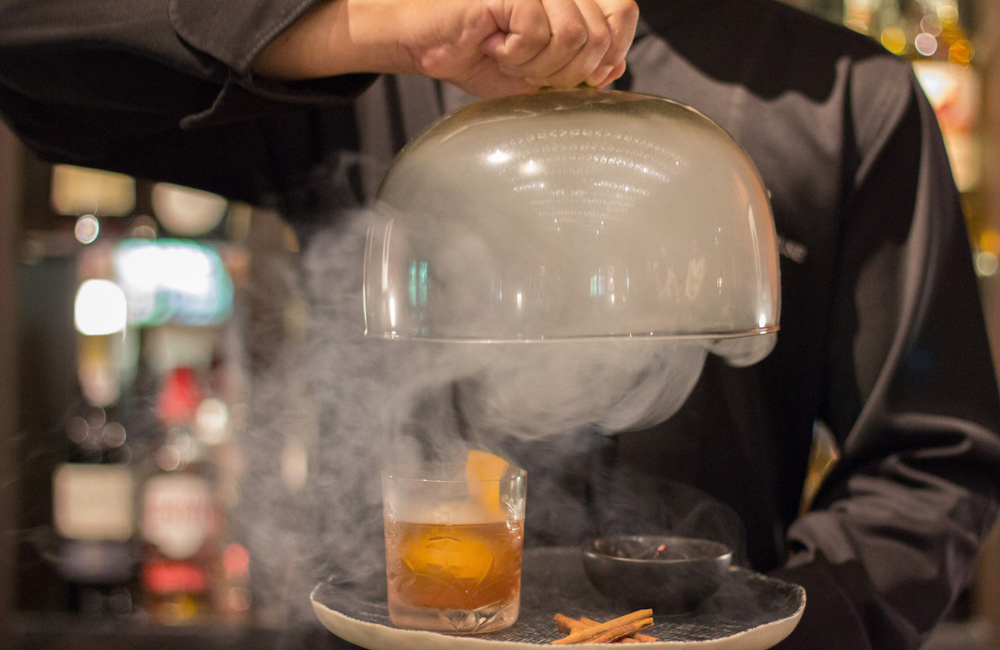
A smoked Old Fashioned at Jack Bain’s Bar
Jack Bain’s Bar, named after the building’s last resident, channels a colonial era aesthetic without tipping into pastiche. Deep leather seating, low lighting and a focus on crafted cocktails make it an easy place to linger into the evening.
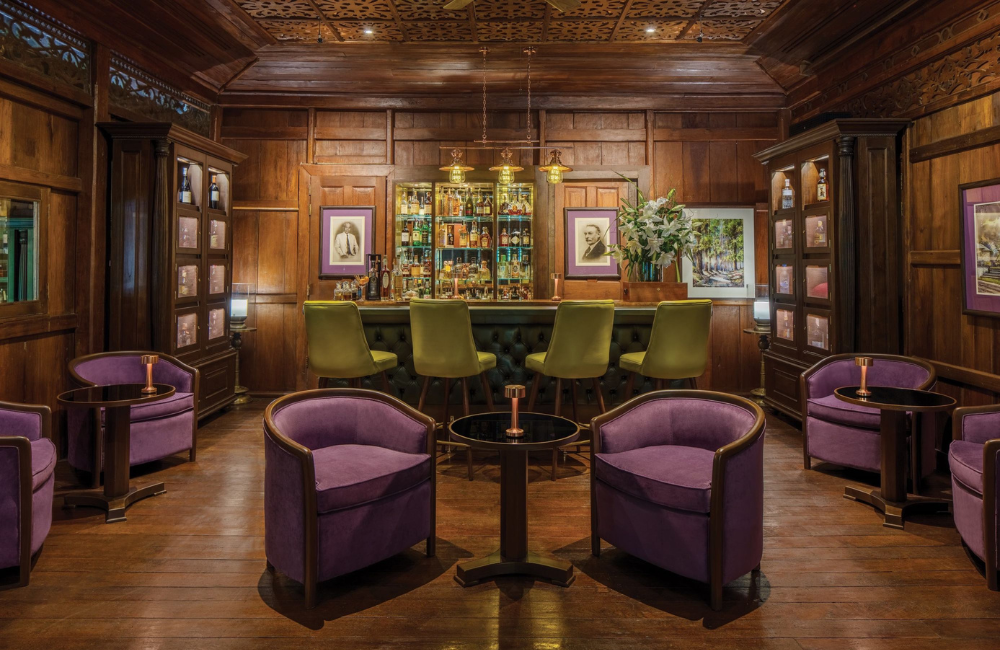
Colonial era stylings of the former trading company
A creative corner of Chiang Mai
Step outside and the neighbourhood reveals itself quickly. A short walk brings you to the riverfront, where small galleries, cafés and independent shops line the streets. Nearby, spaces like Elephant Parade Chiang Mai invite visitors to engage more directly, whether that’s painting ceramic elephants in support of conservation or browsing limited artist editions.
Beyond that, Chiang Mai opens up into one of Thailand’s most creatively rich cities, known for its craft traditions, design studios and night markets. From leather workshops to concept stores, it rewards slow exploration.
The verdict
137 Pillars House is not about spectacle. It is about atmosphere, restraint and a deep sense of place. For travellers drawn to design, heritage and a slower way of experiencing Chiang Mai, it offers something quietly distinctive.
BOOKING and GETTING THERE
To book at stay at 137 Pillars on selected dates click here.
We flew to Chiang Mai via Bangkok with Air Asia. You can see schedules, times and prices here.
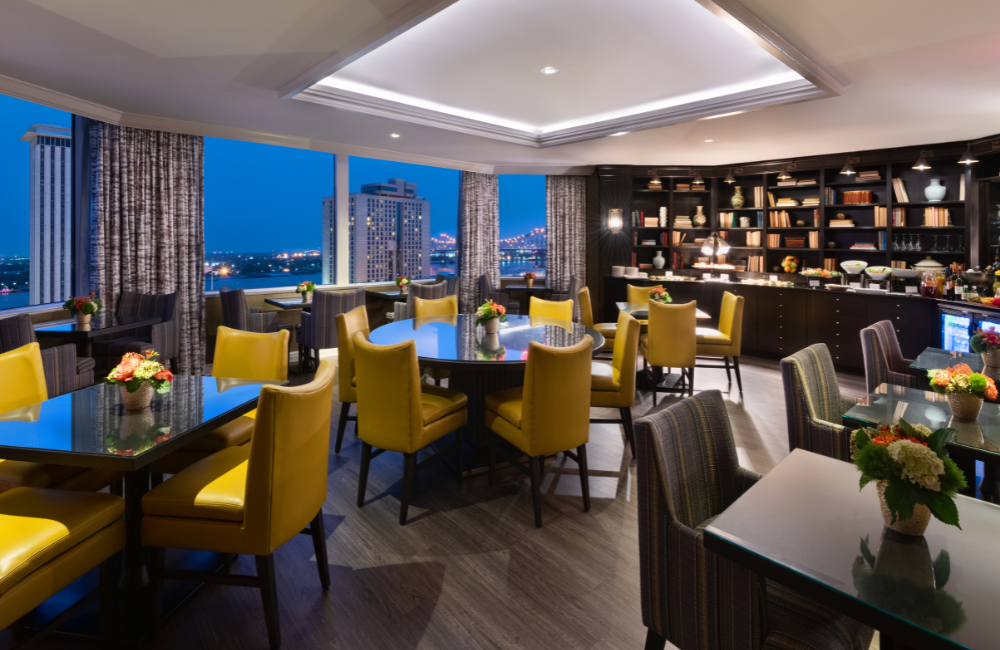
HOTBED REVIEW: The Windsor Court, New Orleans
In a city celebrated for its rhythm and colour, Windsor Court Hotel offers a calm, elegant counterpoint. Think polished Southern charm, hushed luxury, and a whisper of British refinement — all set against the soulful backdrop of New Orleans.
Bespoke Art, Refined Rooms & Vintage Vibe: The Windsor Court Experience
The Vibe
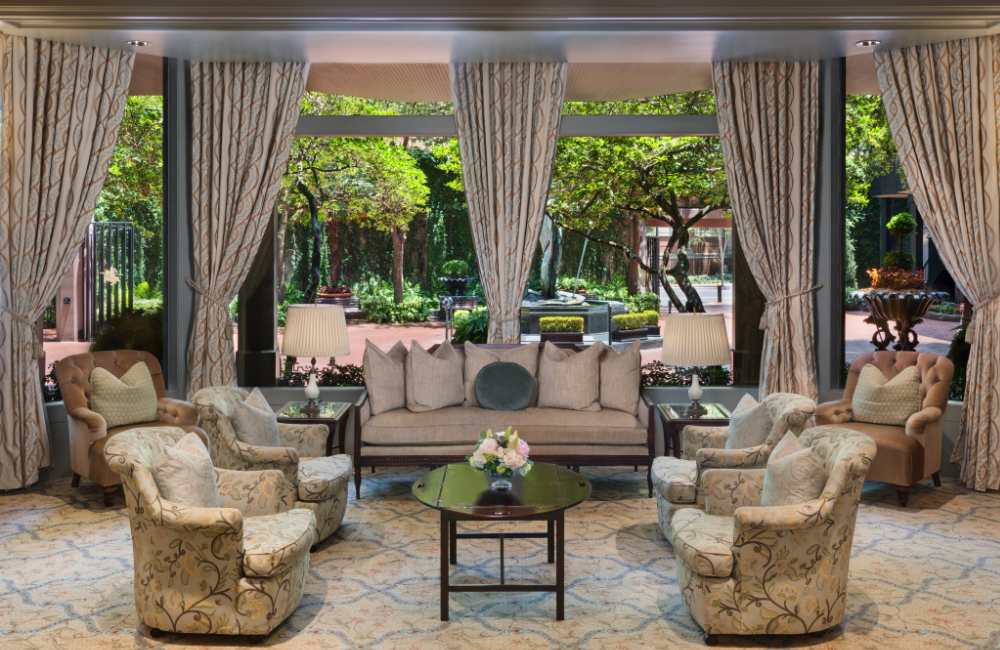
In a city celebrated for its rhythm and colour, Windsor Court Hotel offers a calm, elegant counterpoint. Think polished Southern charm, hushed luxury, and a whisper of British refinement, all set against the soulful backdrop of New Orleans. This is where high ceilings meet high culture, with a warm, unhurried atmosphere that invites lingering.
Design & Style
The hotel’s interiors read like a collector’s dream, with an art and antiques collection valued at over $12 million. Gilded frames, oil paintings, and rare objets d’art sit comfortably alongside plush furnishings in a palette of soft creams and rich jewel tones. The lobby’s grand floral displays and the Grill Room’s hand-painted murals evoke a vintage opulence, while subtle modern touches keep the experience fresh rather than fusty.
Location
Windsor Court enjoys a prime downtown spot, just a short stroll from the French Quarter’s vibrant streets and the Mississippi River. Yet it’s far enough removed to guarantee a sense of retreat, offering easy access to NOLA’s galleries, jazz clubs and culinary landmarks without the constant bustle.
Rooms
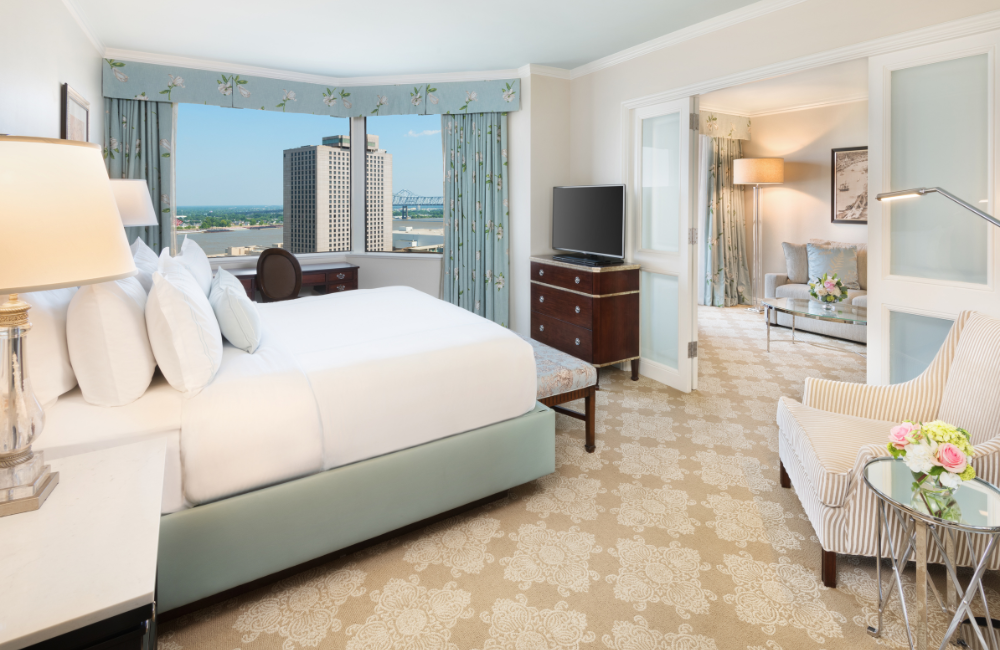
Spacious and refined, the suites are a masterclass in understated luxury. Many feature private balconies with skyline or river views, inviting guests to soak in the city’s changing light. Plush beds, marble bathrooms, and a soft neutral palette ensure a restful stay, while fresh-cut flowers and curated artworks add personality.
Food & Drink
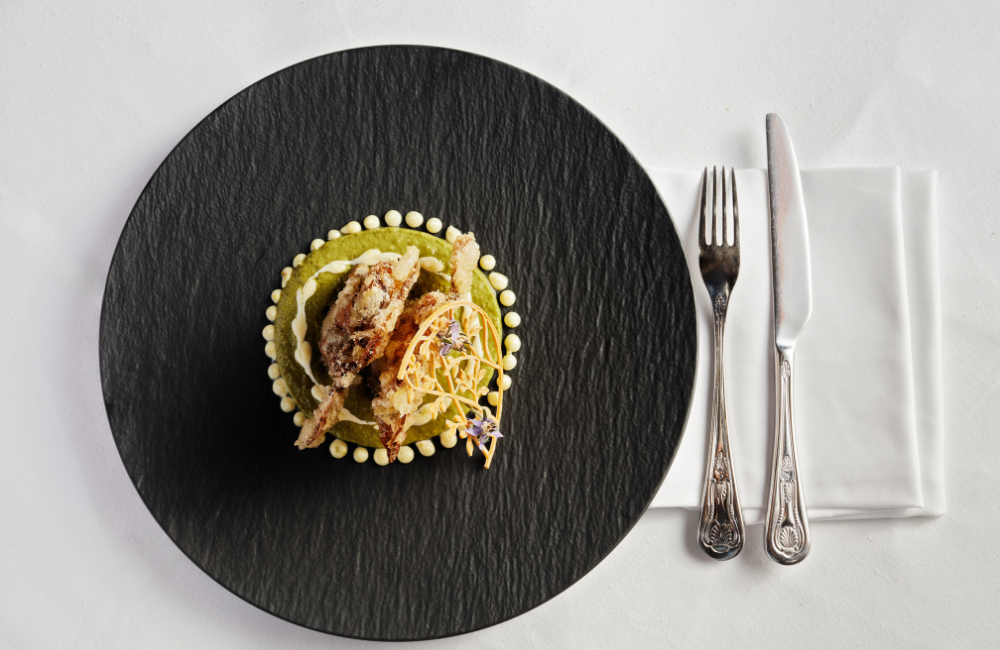
The Grill Room is a destination in itself, an elegant dining space where Southern flavours meet French finesse. Signature dishes like soft shell crab sit alongside decadent desserts, all presented with artistic flair. Afternoon tea in Le Salon adds a touch of Old World glamour, while the Polo Club Lounge offers expertly crafted cocktails in a cosy, club-like setting.
Facilities & Experiences
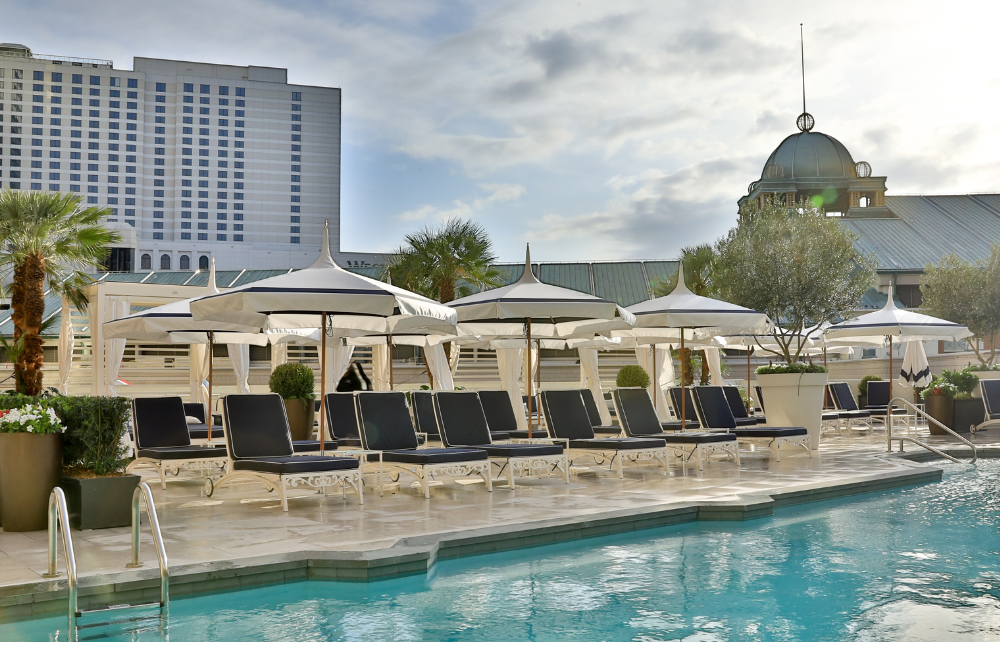
Highlights include a the outdoor pool, a full-service spa, and an exclusive club lounge for select suites. Guests can book curated experiences, from private art tours to personalised culinary adventures.
Service
Attentive without being overbearing, the staff embody the hotel’s blend of Southern hospitality and polished professionalism. Personal touches like remembering your name, your drink order, or your preferred pillow, make you feel genuinely looked after.
Worth Knowing
The hotel’s art collection includes works by Sir Anthony Van Dyck and Thomas Gainsborough, with many pieces sourced from London auction houses. Guided art tours are available for guests who want to delve deeper into its treasures.
The Creative Traveller’s Verdict
For those who appreciate art, history, and a slower, more refined pace, Windsor Court Hotel is a destination in its own right. It’s the kind of place where the design is as considered as the service, and where you can step from the buzz of New Orleans straight into a world of vintage elegance.

Tokyo Design Gems
Tokyo is a paradox in motion. It’s a city where futuristic skyscrapers rise beside ancient temples and cutting-edge technology intertwines with centuries-old customs.
Tokyo is a paradox in motion. It’s a city where futuristic skyscrapers rise beside ancient temples and cutting-edge technology intertwines with centuries-old customs.

Janu Tokyo designed by acclaimed architect Jean-Michel Gathy
Wander down a side street, and you’ll pass a Zen shrine nestled between sleek glass towers, or stumble across a noodle shop that’s been serving the same recipe for generations, while just around the corner, robots whip up sushi. Tokyo’s magic lies in these harmonious contrasts—an ever-evolving metropolis that still honours its past. This unique blend of old and new extends to its hotels, where tradition meets contemporary design in unexpected ways.
From ryokan-inspired skyscrapers to quirky boutique stays, we’ve rounded up some of the city’s most remarkable places to stay. Whether you’re heading there for a weekend escape or to dive deep into Tokyo’s urban wonders, these hotels embody the spirit of the city: effortlessly cool, distinctly Tokyo, and full of surprises.
The opening of Janu Tokyo brings a fresh, youthful approach to luxury hospitality, offering an experience that’s all about connection, simplicity and purpose. Designed by the acclaimed architect Jean-Michel Gathy, this flagship hotel is crafted for a modern, globally-minded audience that seeks spaces for both relaxation and social interaction.
At the flagship hotel, the design focuses on calm, clean lines and earthy tones, creating a tranquil yet inviting environment. Signature details such as hand-applied Japanese sakan plaster and sliding doors inspired by Parisian windows bring a distinct touch of craftsmanship and cultural blend. Gathy’s careful balance of local tradition with contemporary design shines through, giving the hotel a character that’s both warm and minimal.
The rooms are thoughtfully organised with hidden storage and seamless features, keeping clutter at bay while allowing vibrant artwork to add a dash of energy to the serene palette. Janu Tokyo offers a refreshing take on privacy and community, providing guests with a space grounded in Japanese aesthetics but forward-looking in style and function.
The debut of the new Janu brand in Tokyo follows a stellar year for Gathy, with Dubai’s One&Only One Za’abeel and Cheval Blanc Seychelles also opening in 2024.

One@Tokyo by Japan’s design master, Kengo Kuma
One@Tokyo is an architectural marvel by Japan’s design master, Kengo Kuma. Located in the Oshiage district, this minimalist haven reinterprets the rustic elegance of a traditional ryokan with a sleek, modern twist. Its industrial-rustic décor—think exposed concrete paired with warm wooden tones—creates an atmosphere that’s both calming and contemporary. Sublime views of the Tokyo skyline are a given, but the real charm is in the details: from its intimate tea corners to its serene library, One@Tokyo is as perfect for the jet-setting creative as it is for the minimalist businessman.

Wired Hotel in Asakusa
The wonderfully eclectic boutique Wired Hotel is nestled in the heart of Asakusa offering something for every budget—without skimping on style. The rooms are an ode to understated Japanese elegance: muted tones of grey and white alongside the use of wood are complemented by artistic flourishes that nod to traditional craftsmanship, while large windows bathe the space in natural light. Add to that a restaurant serving the finest Japanese cuisine, and Wired is more than just a hotel—it’s a cultural experience.

Trunk Hotel a buzzing hotspot
For those looking to mingle in style, there’s Trunk Hotel in Shibuya. A hotspot for the city’s young and restless, this boutique stay is all about social energy. With a buzzy bar, lush balconies and a BBQ terrace, it’s perfect for those who want their stay to be as vibrant as the neighbourhood. The rooms are a minimalist’s dream, bathed in natural light and adorned with contemporary pop art.

Keeping the ryokan style alive at Hoshinoya
Hoshinoya Tokyo brings the ancient ryokan style into the 21st century without losing an ounce of its charm. Set in a sleek skyscraper, this luxury hotel offers all the tranquillity of a countryside retreat, with tatami-mat rooms, a private onsen and even a tea ceremony room. It’s a sanctuary of calm in the heart of the city, perfect for those who want to experience the grandeur of old Japan without leaving the buzz of Tokyo behind.

Retreat to Tranquility
Finding Serenity in the Sands: A Retreat at Zulal Wellness Resort by Chiva-Som.
Finding Serenity in the Sands: A Retreat at Zulal Wellness Resort by Chiva-Som

There’s plenty of places to unwind at Zulal
Nestled along the tranquil shores of the Arabian Gulf, Zulal Wellness Resort by Chiva-Som offers a serene, other-worldly escape, where nature and well-being harmoniously come together. Located just an hour north of Doha, this expansive 280,000 square metre retreat provides a peaceful respite from the bustling city. It’s not just another luxury resort; Zulal is pioneering wellness in the Middle East, drawing on the ancient wisdom of Traditional Arabic & Islamic Medicine (TAIM) to deliver a transformative experience for mind, body and soul.
From the moment we arrived, we were immersed in Zulal’s holistic philosophy. Greeted with the traditional Arabic tea ritual—a refreshing blend of green tea infused with fruit—we were then introduced to the House of Wisdom, the resort’s eclectic library filled with books on psychology, philosophy, art, and travel. The invitation to borrow a book reflected the resort’s commitment to both mental and physical well-being. We eagerly chose Matthew Syed’s Rebel Ideas, setting the tone for a journey of personal insight.

The resort is split into two areas - one for families (Discovery) and one for adults (Serenity)
Zulal is thoughtfully divided into two distinct sections. Discovery is designed for families, while Serenity offers a tranquil, adults-only escape.
Our Serenity Junior Suite was a fine example of understated elegance. With natural tones and decor inspired by the waves of the nearby sea, the suite offered a spacious open-plan layout and a private outdoor plunge pool—our go-to spot between treatments. The suite embodied everything Zulal promises: serenity, simplicity and relaxation.
Our experience was tailored from the start with a personalised wellness consultation. Zulal offers over 400 treatments and activities, all designed to promote well-being. As our stay aligned with Ramadan, this was an opportunity for us to reset, with a focus on fitness, healthy eating, and a break from alcohol.
At the heart of Zulal’s philosophy TAIM is an approach that merges ancient healing practices with modern wellness techniques. Guided by doctors Brenda and Aashley, our schedule was carefully curated to balance fitness and relaxation. Personal trainer Wahid challenged us just beyond our comfort zone, while stretching sessions with Mahmoud provided much-needed relief for sore muscles. Each treatment and activity felt perfectly aligned with our goal of restoring both body and mind.

Zulal’s atmosphere invites guests to unplug from daily life. We were encouraged to leave our devices behind, and with the resort’s breathtaking natural surroundings, it was easy to embrace this digital detox. The resort’s signature white pyjamas and turquoise flip-flops, provided in every room, added to the sense of tranquillity as guests quietly moved through the property.
Spring’s mild temperatures, hovering in the low 30s, allowed for enjoyable outdoor activities. For those craving cooler air, the Arctic Room provided a refreshing blast of cold, offering a delightful contrast to the warm Qatari desert heat.

The spa’s variety of thermal experiences, from steam rooms to hydrotherapy pools, was one of the highlights of our stay. A particular favourite was the Himalayan Salt Room, where heated ceramic-tiled beds and purifying salt air made for a deeply relaxing experience.

Dining at Zulal was as much a part of the wellness journey as the treatments. The resort’s philosophy of balanced nutrition was evident in every meal, with portion-controlled dishes that were as delicious as they were health-conscious. Whether we dined at Al Sidr for Asian fusion or Malbu for Mediterranean seafood under the stars, each dish was artfully presented and full of flavour.

At Aizoon, the all-day dining restaurant, every meal felt special. Even the bread—spirulina, charcoal, and turmeric —was a delight. The dry policy at Zulal was liberating, and inventive mocktails ensured we never missed a traditional cocktail.
Zulal is a sanctuary for those seeking holistic wellness in a breathtaking natural setting. It’s not simply a retreat—it’s a transformative experience that lingers long after you leave. For those familiar with Thailand’s Chiva-Som resort, it’s worth noting that Zulal stands on its own with a distinctly unique offer. While Chiva-Som enjoys a beachfront location in Hua Hin with nearby amenities and much-celebrated Thai hospitality, Zulal’s desert-like oasis has a more private atmosphere offering a distinct appeal that is poised to become a top destination for wellness seekers in the region.

Marrakech Unveiled
Marrakech’s warm ochre hues, deep blue sky, and palm-fringed skyline always manage to cast a spell. Unlike the glitz of Dubai or the polished beauty of Oman, Marrakech exudes an effortless charm—unpretentious, raw, and welcoming.
Marrakech’s warm ochre hues, deep blue sky, and palm-fringed skyline always manage to cast a spell. Unlike the glitz of Dubai or the polished beauty of Oman, Marrakech exudes an effortless charm—unpretentious, raw, and welcoming. This authenticity, paired with the echo of the Imam’s call to prayer and the constant hum of daily life, has long made it a magnet for creatives.

The Yves Room
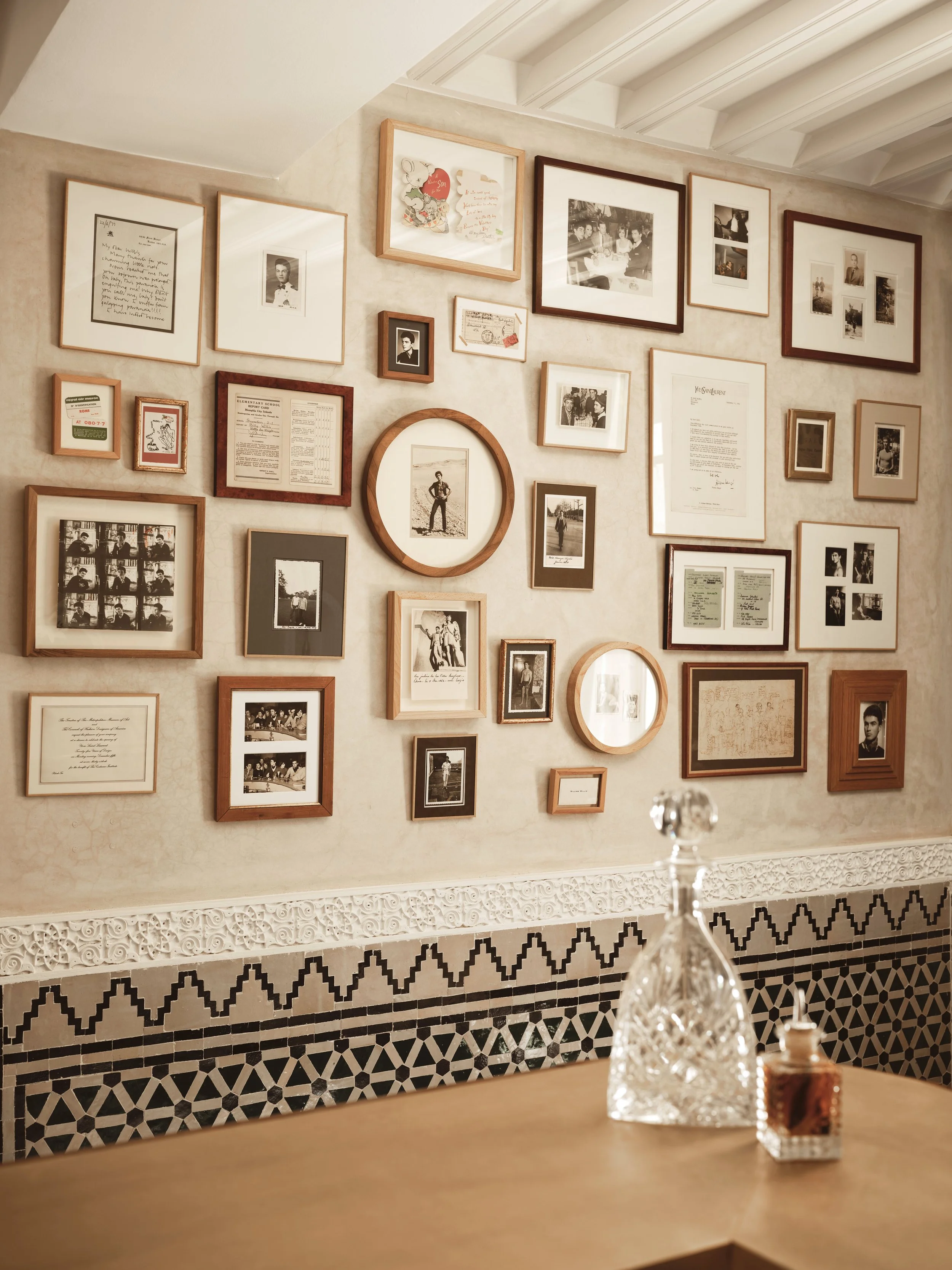
In the 1960s, Marrakech became the ultimate indulgent retreat for icons like Yves Saint Laurent, Andy Warhol and Mick Jagger. With a lack of bars, the city’s elite gathered in opulent homes, designed by American interior designer Bill Willis. Known for his flamboyant, mosaic-filled creations, Willis was a character in his own right, dabbling in the era’s counterculture while crafting some of the most iconic interiors in the city. His legacy of vibrant, decadent design lives on in Marrakech’s modern architecture, inspiring a new generation of creatives.
Our visit this time centred on the IZZA Hotel, a welcome addition to the city’s luxury scene. Nestled within the Medina walls, this boutique property, opened in 2023 by Neon Adventures, is a sanctuary rather than a party hotspot.

Spanning seven riads, the hotel is an homage to the stars of Marrakech’s golden age with each of the fourteen rooms named after one of the celebrities who embraced Marrakesh’s hedonistic lifestyle in the ‘50s, ‘60s and ‘70s. From Jack Kerouac to Marianne Faithful, Grace Jones to Cecil Beaton, each boudoir is a nod to their personality – for example, the iconic Yves boasts a huge corner sofa, vintage desk, large bathtub completed with a Juliet balcony overlooking the magnificent pool; whilst the IZZA room, based on the original owner, showcases classic Berber design represented in an impressive staggered staircase leading to the mezzanine level and full-size kitchenette.

Art by Sebastiao Salgado
The multi-million-pound art collection at IZZA has been thoughtfully curated and sourced from a variety of partners from contemporary platforms like fellowship.xyz, a leading digital art gallery and the prominent NFT collector Studio137, as well as the private collection of IZZA’s founders. The collection spans genres—from Sebastião Salgado’s gritty photography to Texan AI artist Tyler Hobbs’ algorithmic creations. The hypnotic video work of the family collective of artists Yatreda from Ethiopia is showcased across multiple screens, adding a digital edge to the hotel’s art offering.
The Bill Willis Bar
Art fills every corner of IZZA, even the bathrooms and gym feature captivating pieces, ensuring that creativity is omnipresent. The Bill Willis Bar, a tribute to the designer’s legacy, is filled with personal memorabilia, offering a nostalgic nod to his colourful life. The hotel’s ‘House of Friends’ atmosphere is a true reflection of Marrakech’s artistic history, blending luxury with deep cultural connections.
IZZA – Rates start from €200 (approx. £180) to €840 (approx. £720) per room per night, including breakfast, airport transfer, and a 45-minute massage in the hotel’s spa and hammam.
Text: Sara Darling
Images: Felix Speller

Our top hotel picks in Siem Reap
When it comes to design, style, and service, Siem Reap stands among the world’s top cities. Don’t settle for a quick temple tour; instead, immerse yourself in the local atmosphere and enjoy an extended stay that will leave you feeling truly connected to the city.
When it comes to design, style, and service, Siem Reap stands among the world’s top cities. Don’t settle for a quick temple tour; instead, immerse yourself in the local atmosphere and enjoy an extended stay that will leave you feeling truly connected to the city.

The pool at Anantara Angkor Resort
Anantara Angkor Resort
The architecture of Anantara Angkor is a tribute to the majesty of traditional Khmer design. Visitors are welcomed by intricate carvings, expansive courtyards, and tranquil water features that evoke a deep sense of serenity with suites hidden behind landscaping. On arrival, guests are greeted with a traditional Khmer foot massage from the spa staff—a relaxing gesture after a long trip.

The stylish Viroth’s Hotel in the hip Wat Bo area
Viroth’s Hotel
Set in Siem Reap’s vibrant Wat Bo area, Viroth’s Hotel is a go-to for design lovers. Known for its mid-century modern style, the hotel seamlessly blends contemporary elegance with locally crafted accessories and collectables. Guests can enjoy beautifully curated interiors and a unique touch—immaculate vintage cars available for tours around the city.

The grand dame of Siem Reap
Raffles Grand Hotel d’Angkor
Since its inception in 1932, the Raffles Grand Hotel d’Angkor has been more than just a rest stop for archaeologists and adventurers exploring the ancient wonders of Angkor Wat. It’s a living testament to history, where the lush green grounds, royal gardens, and marble staircases whisper tales of a bygone era.
Scribe is FCC’s cocktail bar surrounded by ancient tress
FCC Angkor by Avani
FCC Angkor blends historic charm with modern sensibilities. The lobby, adorned with artefacts and photographs that tell the story of the former French colonial administration, exudes a sense of timeless elegance and hints to the adventurous explorers of the past. Surrounded by centuries-old sacred trees and lush tropical greenery, the resort has 80 modern rooms, each infused with thoughtful Khmer details—artisanal textiles, handwoven rattan baskets, and bespoke furnishings—that seamlessly blend tradition with modern luxury.

Elegance on Track
Nestled in the heart of Thailand’s Khao Yai National Park, the Intercontinental Khao Yai Resort offers a luxurious and nature-centric retreat, blending opulence with natural beauty.
Nestled in the heart of Thailand’s Khao Yai National Park, the Intercontinental Khao Yai Resort offers a luxurious and nature-centric retreat, blending opulence with natural beauty.

Plunge pool and plenty of space to relax on your private terrace
As part of the IHG group, this stunning property was designed by renowned architect Bill Bensley. Bensley has expertly infused the resort with exquisite architecture and interior design that pays homage to the golden age of train travel while harmoniously integrating with the lush surroundings.

Beautiful carriage interiors
The resort’s accommodations epitomise comfort and eco-consciousness, featuring modern luxury with nostalgic travel motifs. Guests can choose from a wide range of rooms and private villas, including upcycled train carriages that have been transformed into luxury suites, each crafted to showcase breathtaking views of the surrounding mountains, forests, and lakes.

Somying’s Kitchen
Dining at the Intercontinental Khao Yai Resort is a culinary journey that caters to diverse palates. Guests can start their day at Somying’s Kitchen, a retro-chic diner featuring vibrant Formica surfaces and cool Tiffany-blue pleather seating. Highlighting the bold flavours of northeastern Thailand, dishes like fiery papaya salad, spicy curries, and the signature ‘Yang Sua’ Grilled Marinated Wagyu with tamarind sauce make for difficult choices during ordering.

The jazz-era-inspired Papillon Bar
For a more formal dining experience, the French brasserie Poirot, housed in a converted railway carriage across Swan Lake (yes, with real Swans), offers a refined menu reminiscent of first-class train travel. Next door, the jazz-era-inspired Papillon Bar is the perfect spot to unwind with timeless cocktails like Martinis and Negronis.
From misty mountain views and personalised park tours to starlit evenings, it’s the ideal blend of nostalgic charm, nature immersion and modern indulgence.
Rates start from £230 per night, including breakfast, making this a must-visit destination for those seeking a peaceful yet luxurious escape.
The Rest of the Best of Bensley
Across Southeast Asia and beyond, Bill Bensley-designed properties are our top choice for an unforgettable stay. Seamlessly integrated into their surroundings, each distinctive resort and hotel embodies luxury, indulgence, and a playful spirit.
Across Southeast Asia and beyond, Bill Bensley-designed properties are our top choice for an unforgettable stay. Seamlessly integrated into their surroundings, each distinctive resort and hotel embodies luxury, indulgence, and a playful spirit.

An oasis in the bustling city of Bangkok
The Siam, Bangkok, Thailand
Masterfully blending Art Deco elegance with traditional Thai design, boutique-sized The Siam is nestled along the Chao Phraya River and offers an oasis of serenity in the bustling city.
Guests are treated to spacious, intricately designed suites and villas, many of which feature private pools and lush gardens. The attention to detail extends to the hotel’s expertly curated art and antiques collection.

The university themed property on Phu Quoc Island
JW Marriott Phu Quoc Emerald Bay Resort & Spa, Vietnam
The university-inspired resort features whimsical, themed interiors and lush, expansive grounds where guests are invited to explore art exhibitions, attend creative workshops, and indulge in luxurious amenities. The resort’s playful nod to academia, combined with its elegant design and cultural focus, makes it a one-of-a-kind destination on Phu Quoc island.

Luxury tented retreat
Capella Ubud, Bali
For an opulent escape amidst Bali’s unspoiled rainforest, Capella Ubud’s 22 one-bedroom luxury tents and a two-bedroom lodge each feature a private pool, outdoor deck, and exquisite handcrafted decor. This retreat truly immerses guests in nature while providing lavish comfort, all under the multi-award-winning Capella brand, promising an unparalleled experience.

Step back in time in the Thai jungle
The Four Seasons Tented Camp Golden Triangle, Chiang Rai
Evoking the spirit of 19th-century explorers through vintage furniture, Thai textiles, and elegant teak furnishings the intimate 15 luxury tents make up this unique property in the heart of Thailand’s lush Chiang Rai jungle. Bensley’s attention to detail celebrates local artistry, while his commitment to sustainability ensures that the camp harmonises with the natural landscape.

Luxury in Laos
Rosewood Luang Prabang, Laos
Bill was recently asked what destination inspires him and his answer was Luang Prabang, as it has the most beautiful village in the world. Just ten minutes from the city centre, Rosewood Luang Prabang offers a peaceful retreat on the edge of the forest and mountains. With 23 rooms, a swimming pool, a dining venue, and Sense, a Rosewood Spa offering traditional Lao therapies, the resort perfectly balances the excitement of the town with serene natural beauty.

A nod to Phuket’s heritage
The Slate, Phuket
One of Bensley’s first hotel designs, The Slate is a striking fusion of industrial design and luxury. With its bold aesthetic inspired by Phuket’s tin mining history, the resort features raw materials and dramatic interiors. Spacious suites and villas, many with private pools, seamlessly blend comfort with the avant-garde design he is so well known for.